Intermodal, Drayage & Port Career roadmap
Beat the clock on every container moving from ship to rail to truck.
How to Start an Intermodal & Port Career
Most careers in this lane start in one of three places: the port gate, the rail yard, or the drayage dispatch desk. The driver’s seat takes a Class A CDL, plus a TWIC card to enter secure port areas. Clerks and coordinators keep the shipment records and route cargo through terminals and docks. Most entry seats open with a high school diploma or GED and on-the-job training.
The work happens at the handoff. One container moves by ship, rail, and truck without the freight inside being re-handled, and every transfer has to land on time. Let a box sit past its free time and demurrage or detention charges start to run. The people who thrive here track many moving pieces at once and always know the clock. That knowledge of the handoff is hard to replace, and it carries people up the ladder.
Intermodal & Port Jobs by Career Level
Entry-Level Intermodal & Port Jobs
These are the seats at the gate, in the yard, and behind the wheel. Training happens on the job, anywhere from a few days to a year.
Drayage Driver
Drives a tractor-trailer that moves containers between marine or rail terminals and nearby warehouses.
Port / Yard Clerk
Verifies and keeps the records on incoming and outgoing shipments, and arranges their transportation.
Container Coordinator
Expedites and routes incoming and outgoing cargo through rail and trucking terminals and shipping docks.
Rail Yard Associate
Works day-to-day rail yard operations, where containers change hands between train and truck.
Intermodal & Port Specialist Jobs
Specialists own a function: a dispatch board, a coordination desk, or the charges and data behind every move. Wider scope earns the step, and most seats ask for no new degree.
Drayage Dispatcher
Schedules and dispatches the drivers and equipment for container moves in and out of the terminal.
Intermodal Coordinator
Expedites and routes cargo across terminals and docks, keeping each handoff between modes on track.
Chassis / Equipment Coordinator
Coordinates chassis and container equipment so the right gear is ready for the next move.
Demurrage & Detention Analyst
Tracks, audits, and disputes the charges that build when containers run past their free time.
Port Operations Analyst
Analyzes and coordinates a port operation’s ongoing logistics, usually with a four-year degree behind it.
Intermodal & Port Supervisor Jobs
Supervisors run a crew or a shift and answer for its results. Most arrive with one to two years of on-the-job training behind them.
Drayage Operations Supervisor
Directly supervises and coordinates the drivers and helpers moving containers in and out each day.
Port Operations Supervisor
Supervises and coordinates the equipment operators and crews working a port terminal.
Rail Operations Supervisor
Supervises and coordinates the operators and crews who keep a rail yard moving.
Intermodal & Port Management Jobs
Managers plan and direct a whole operation within company policy and the regulations that govern it. Most hold a bachelor’s degree, and the step up typically takes another 3 to 7 years.
Intermodal Operations Manager
Plans, directs, and coordinates intermodal operations across rail, truck, and the terminals between them.
Drayage Manager
Plans, directs, and coordinates a drayage operation, from dispatch and drivers to the equipment they run.
Terminal Operations Manager
Plans and directs a terminal’s operations in line with company policy and government regulations.
Bulk Transportation Manager
Plans and directs the movement of bulk and commodity freight.
Supervisors and managers weighing their next move can start a confidential conversation with our specialists.
Intermodal & Port Director and VP Jobs
Senior leaders direct operations across multiple departments or locations. Scope grows from one terminal to the whole network.
The Director of Intermodal and VP / Director of Port Operations seats are where this lane meets the shared leadership apex. From there, the path runs into senior operations and executive leadership, the same summit every GESG roadmap reaches. Explore Senior Leadership & The C-Suite
Intermodal & Port Executive Search
Hiring for these seats?
GESG’s port and intermodal executive search specialists place the terminal, drayage, and intermodal directors, VPs, and C-suite leaders who know the handoff between ocean, rail, and truck.

How to Move Up in Intermodal & Port Careers
Every step in this lane widens what you answer for. You start at one desk, then take a shift, then a terminal, then a network. These are common ranges, and strong performers move faster. The skills travel sideways too. Drayage driving, container coordination, and port project cargo each bridge into a neighboring lane.
| Step | Typical time | What earns it |
|---|---|---|
| Entry | 0 to 6 months | Getting hired at the gate, in the yard, or behind the wheel, plus a CDL and TWIC card if you'll drive |
| Specialist | Often 1 to 3 years | Fluency with container and equipment flow, and owning a dispatch board or coordination desk |
| Supervisory | Typically 1 to 5 years | Proven reliability and responsibility for a crew or shift |
| Middle Management | Typically 3 to 7 more years | Responsibility for a terminal and, in most roles, a bachelor's degree |
| Senior | Often 5 to 10 more years | Responsibility that widens from one terminal to the whole network |
Intermodal & Port Certifications and Licenses
Port and drayage work runs on federal security and licensing rules. TSA vets anyone who needs unescorted access to secure port areas, and your state issues the CDL and its endorsements under federal standards. Past the driver’s seat, people build industry knowledge through the Intermodal Association of North America. IANA offers monthly webinars, an on-demand education library, and the Future Leaders of Intermodal Program for emerging professionals. It also runs a student scholarship and an Intermodal Glossary. These are education programs, with no exam and no certification attached.
| Credential | Who issues it | Where it matters |
|---|---|---|
| Transportation Worker Identification Credential (TWIC) | Transportation Security Administration (TSA) | Anyone entering secure port or terminal areas: drivers, clerks, coordinators, and the supervisors and managers inside marine terminals. Valid for five years |
| Commercial Driver's License (CDL), Class A | Your state licensing agency, under 49 CFR Part 383 | Drayage Driver. Class A covers the tractor-trailer combinations that pull container chassis |
| Hazardous Materials endorsement (H, or X for tank plus hazmat) | Your state licensing agency | Drayage drivers hauling placarded hazardous materials. It takes a knowledge test and can't be carried on a Commercial Learner's Permit |
| Hazardous Materials Endorsement (HME) Threat Assessment | TSA | Required before your state will issue the hazmat endorsement. Generally renewed every five years. Enroll at least 60 days ahead |
Related Logistics Career Paths
Trucking, Fleet & Dedicated
Drayage drivers cross into over-the-road driving on the same CDL.
Freight Forwarding, Customs & International
Container coordinators cross into import and export coordination.
Specialized: Crane, Rigging & Heavy Haul
Project cargo at the port bridges into specialized transportation.
Intermodal & Port Career Path FAQ
What does a drayage driver do?
A drayage driver is a commercial truck driver who operates a tractor-trailer combination. In drayage, that means moving shipping containers over the short legs between a marine or rail terminal and nearby warehouses or rail ramps. The job takes a Class A CDL, and a TWIC card to enter secure port areas. Hauling placarded hazardous materials adds the hazmat endorsement and a TSA security threat assessment.
Do you need a TWIC card to work at a port?
You do for unescorted access to secure areas of maritime facilities and vessels. TSA issues the card after a security threat assessment. You pre-enroll, then attend an in-person appointment for fingerprints and a photo. U.S. citizens, lawful permanent residents, and nonimmigrants, asylees, and refugees in lawful status can apply. Certain criminal offenses can disqualify an applicant. The card is valid for five years and renews online or in person.
How do you become a drayage dispatcher?
A common route runs through the lane’s entry seats. The dispatcher’s seat typically asks for a high school diploma or GED plus on-the-job training. What earns it is time in the yard or terminal, fluency with container and equipment flow, and a record of running a desk well. Drivers and container coordinators who can own a dispatch board are natural candidates for the move.
What's the difference between an intermodal coordinator and a drayage dispatcher?
A drayage dispatcher schedules and dispatches drivers and equipment for container moves. An intermodal coordinator expedites and routes the cargo itself as it crosses terminals and docks. The dispatcher runs the trucks, and the coordinator runs the handoffs between modes. Both sit at the specialist tier, and both lead toward the supervisory and operations management roles in this lane.
Hire Intermodal & Port Leaders
Your terminal. Our expertise.
The directors and VPs who run a terminal network decide whether containers clear on time or collect charges. GESG places executives who know the handoff, with 3 to 5 rigorously vetted finalists and, on average, an accepted offer within 60 to 90 days.
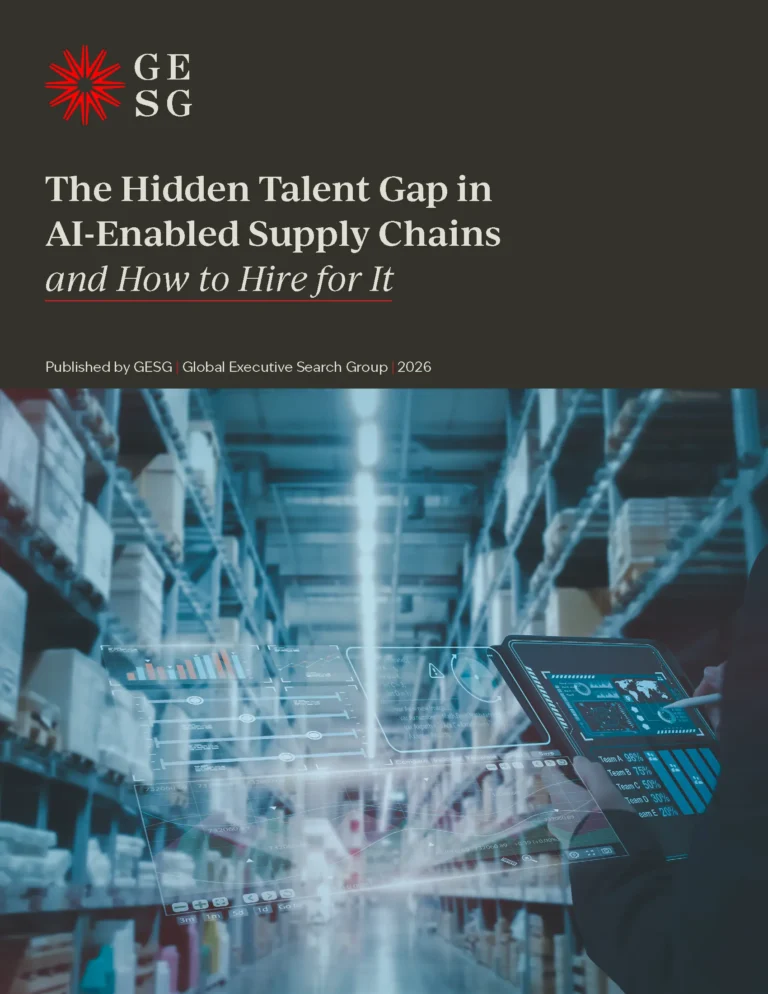
AI Supply Chain Talent Gap White Paper
The Hidden Talent Gap in AI-Enabled Supply Chains
AI is changing what employers look for, and this GESG white paper names the five capabilities that now set supply chain leaders apart.